

Great Exercise Bikes
Add a review FollowOverview
-
Founded Date February 11, 1974
-
Sectors Health Care
-
Posted Jobs 0
-
Viewed 3

Company Description
5 Must-Know-Practices Of Fitness Bike For 2024
The Ultimate Guide to Fitness Bikes: Transforming Your Cardio Routine in the house
In recent years, the landscape of home fitness has actually undergone a massive evolution. Among the myriad of equipment offered, the physical fitness bike remains an enduring staple. Whether it’s called an Exercise Bicycle bike, an indoor cycle, or a stationary bike, this tool is one of the most reputable tools for cardiovascular health, weight management, and lower-body strength.
For anyone seeking to invest in their health without browsing the unpredictable aspects of outside biking, a physical fitness bike provides a regulated, effective, and highly adjustable workout. This guide checks out the various types of physical fitness bikes, their health advantages, essential features to try to find, and how to pick the ideal one for private objectives.
Understanding the Types of Fitness Bikes
Not all physical fitness bikes are developed equal. Various designs deal with numerous fitness levels, physical needs, and training styles. Understanding these differences is the primary step in finding the ideal exercise machine.
1. Upright Bikes
Upright bikes carefully imitate the posture of riding a traditional outdoor bicycle. The user sits upright with their torso somewhat leaned forward, engaging the core and upper body more than other indoor bike versions.
- Best for: General physical fitness, endurance building, and recreational riders.
- Pros: Compact footprint, versatile workouts, engages core muscles.
- Cons: Can trigger lower back or neck strain throughout extended sessions for newbies.
2. Indoor Cycles (Spin Bikes)
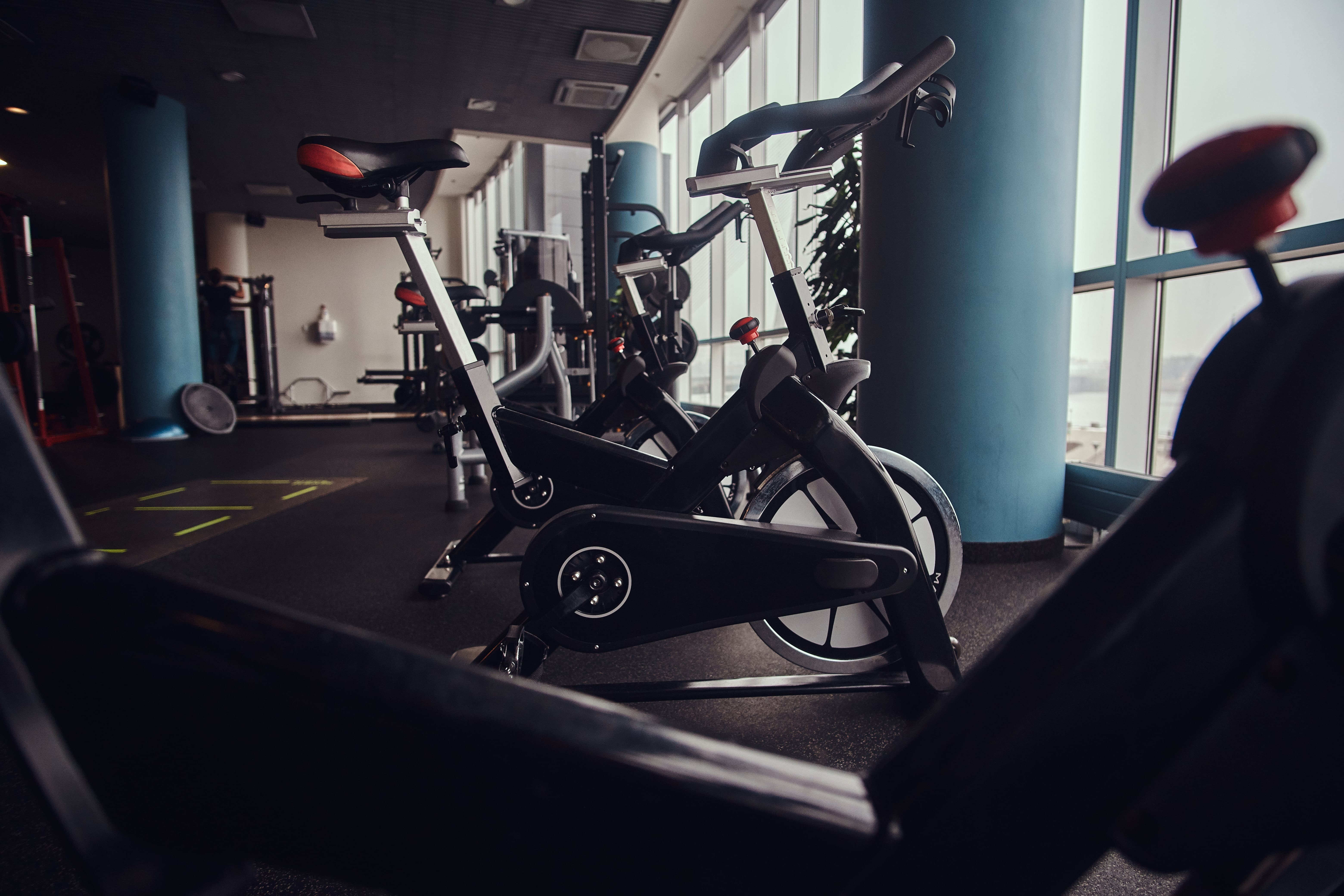
Indoor cycles are developed for high-intensity workouts. They feature heavy, weighted flywheels that create momentum, simulating the feel of riding uphill or travelling on a road bike. The handlebars and seats are completely adjustable to accommodate standing climbs up and aggressive sprints.
- Best Home Exercise Machine for: High-intensity interval training (HIIT), spin class enthusiasts, and advanced bicyclists.
- Pros: Highly long lasting, enables out-of-the-saddle riding, extremely personalized resistance.
- Cons: Seats can be uncomfortable at first; needs appropriate type to prevent injury.
3. Recumbent Bikes
Recumbent bikes feature a laid-back, bucket-seat design with pedals positioned out in front of the user instead of beneath. This ergonomic layout distributes body weight uniformly and offers robust lower-back assistance.
- Best for: Seniors, people with back pain, joint concerns, or those undergoing physical rehabilitation.
- Pros: Extremely comfy, joint-friendly, exceptional back assistance.
- Cons: Takes up more flooring space; not ideal for high-intensity sprinting or out-of-the-saddle training.
Comparing Bike Types at a Glance
| Feature | Upright Bike | Indoor Cycle (Spin) | Recumbent Bike |
|---|---|---|---|
| Body Position | Upright, slight forward lean | Aggressive forward lean | Reclined, supported back |
| Primary Focus | General cardio, toning | High-intensity training, endurance | Low-impact, accessible rehabilitation |
| Footprint | Little | Little to Medium | Big |
| Joint Friendliness | Moderate | Moderate | High |
| Core Engagement | High | High | Low |
The Compelling Benefits of Riding a Fitness Bike
Investing time in a physical fitness bike yields numerous physical and psychological health rewards. Here are the primary reasons fixed cycling stays a preferred among physical fitness lovers:
- Low-Impact Cardiovascular Conditioning: Unlike running or leaping, cycling is mild on the knees, hips, and ankles. It elevates the heart rate efficiently without subjecting joints to high-impact shock.
- Lower Body Muscle Toning: Cycling targets several muscle groups at the same time, consisting of the quadriceps, hamstrings, calves, glutes, and even the core stabilizers.
- Calorie Burning and Weight Loss: Depending on intensity and body weight, an energetic cycling session can burn in between 400 to 600 calories per hour, making it a reliable tool for caloric deficit and weight management.
- Convenience and Weather Independence: Rain, snow, heat, and traffic are no longer barriers to getting an exercise cycle for home in. A physical fitness bike provides a dependable, regulated environment.
Key Features to Consider Before Buying
Getting a physical fitness bike requires mindful factor to consider of personal requirements and technical requirements. Keeping the following factors in mind will ensure a smart investment:
1. Resistance Mechanism
The way a bike creates resistance effects the smoothness and noise level of the trip:
- Friction Resistance: Uses felt pads that press against the flywheel. It uses unlimited resistance levels however needs routine pad replacement and can be somewhat loud.
- Magnetic Resistance: Uses magnets and a metal flywheel. It is whisper-quiet, practically maintenance-free, and offers smooth, constant resistance adjustments.
2. Flywheel Weight (for Indoor Cycles)
For spin bikes, a much heavier flywheel (typically 30 to 40+ pounds) offers a smoother, more reasonable momentum-driven ride, whereas lighter flywheels rely more heavily on the resistance knob to create tension.
3. Console and Connectivity
Modern physical fitness bikes vary from basic LCD screens showing standard metrics (time, speed, distance, calories) to sophisticated HD touchscreens with built-in streaming abilities for live and on-demand classes. Think about whether interactive subscriptions are desired or if a simple, economical console is adequate.
4. Adjustability and Comfort
Ensure the bike uses adjustable seat height and fore/aft positions. Handlebar adjustability is likewise important for preventing pressure and accomplishing an ergonomic riding posture.
Tips to Maximize Your Fitness Bike Workout
Having the devices is only half the fight; knowing how to use it successfully yields the very best outcomes.
- Establish Correctly: Adjust the seat height so there is a slight bend in the knee at the bottom of the pedal stroke. Incorrect seat height can result in knee discomfort and ineffective pedaling.
- Incorporate Interval Training: Alternate in between high-intensity sprints (pushing heavy resistance or high RPMs) and active healing durations to increase cardiovascular endurance and calorie burn.
- Maintain Good Posture: Keep shoulders relaxed, core engaged, and prevent death-gripping the handlebars. A strong core protects the lower back.
- Stay Consistent: Aim for 3 to 4 sessions weekly, slowly increasing period and resistance as physical fitness levels improve.
A fitness bike is far more than a piece of metal and rubber; it is an entrance to much better health, raised energy levels, and a stronger heart. By examining private objectives, area limitations, and preferred workout designs– whether that is an intense hill get on an indoor cycle or a comfy, supported spin on a recumbent bike– anyone can discover the ideal match. Enter the saddle, accept the journey, and pedal towards a healthier future.
