

Bicycle For Exercise At Home
Add a review FollowOverview
-
Founded Date November 17, 1969
-
Sectors Construction
-
Posted Jobs 0
-
Viewed 1

Company Description
What’s Holding Back The Exercise Bicycle Industry?
Finding the Ideal Exercise Bicycle for Sale: A Comprehensive Buyer’s Guide
Recently, home physical fitness has changed from a practical alternative to the gym into the main method many individuals remain active. Amongst the myriad of home workout devices offered, the exercise bicycle stays an ageless staple. Whether the objective is weight loss, cardiovascular endurance, or low-impact joint rehab, an indoor bike delivers outcomes.
However, searching for an “exercise bicycle for sale” can quickly become frustrating. With numerous brands, resistance types, and technological functions flooding the marketplace, how does one pick the ideal model? This thorough guide breaks down whatever a potential purchaser needs to understand to make an informed financial investment in their health.
Why Invest in an Exercise Bicycle?
Before diving into the features, it is worth checking out why indoor cycling remains so popular. Unlike running, which puts high stress on the knees, hips, and ankles, biking is a low-impact exercise. This makes it available for people of all fitness levels, ages, and recovery stages.
Additionally, owning a stationary bike exercise bicycle gets rid of typical barriers to fitness:
- Weather-proof workouts: Rain, snow, or severe heat will never hinder a set up regimen.
- Time efficiency: No travel time to and from the health club.
- Multitasking abilities: Riders can capture up on podcasts, watch tv, or even read while pedaling.
- Personal privacy: Users can work out at their own speed without the pressure or intimidation of a public fitness center.
Kinds Of Exercise Bicycles
When searching listings for an exercise bicycle for sale, shoppers will normally come across three main categories. Each caters to a various riding style and physical need.
1. Upright Bikes
Upright bikes carefully simulate the geometry of a standard outdoor roadway bicycle. The user sits straight over the pedals, engaging the core and upper body more than other designs.
- Best for: General fitness, high-intensity interval training (HIIT), and road cyclists looking for indoor training.
- Secret function: A compact footprint that fits quickly into small areas.
2. Recumbent Bikes
Recumbent bikes feature a laid-back, bucket-style seat with pedals positioned out in front of the user rather than below them. This design offers robust back support and locations less strain on the lower spinal column.
- best home exercise equipment for: Seniors, individuals with back or joint pain, and those looking for a comfy, steady-state cardio session.
- Key function: Ergonomic seating with a breathable mesh backrest.
3. Indoor Cycling Bikes (Spin Bikes)
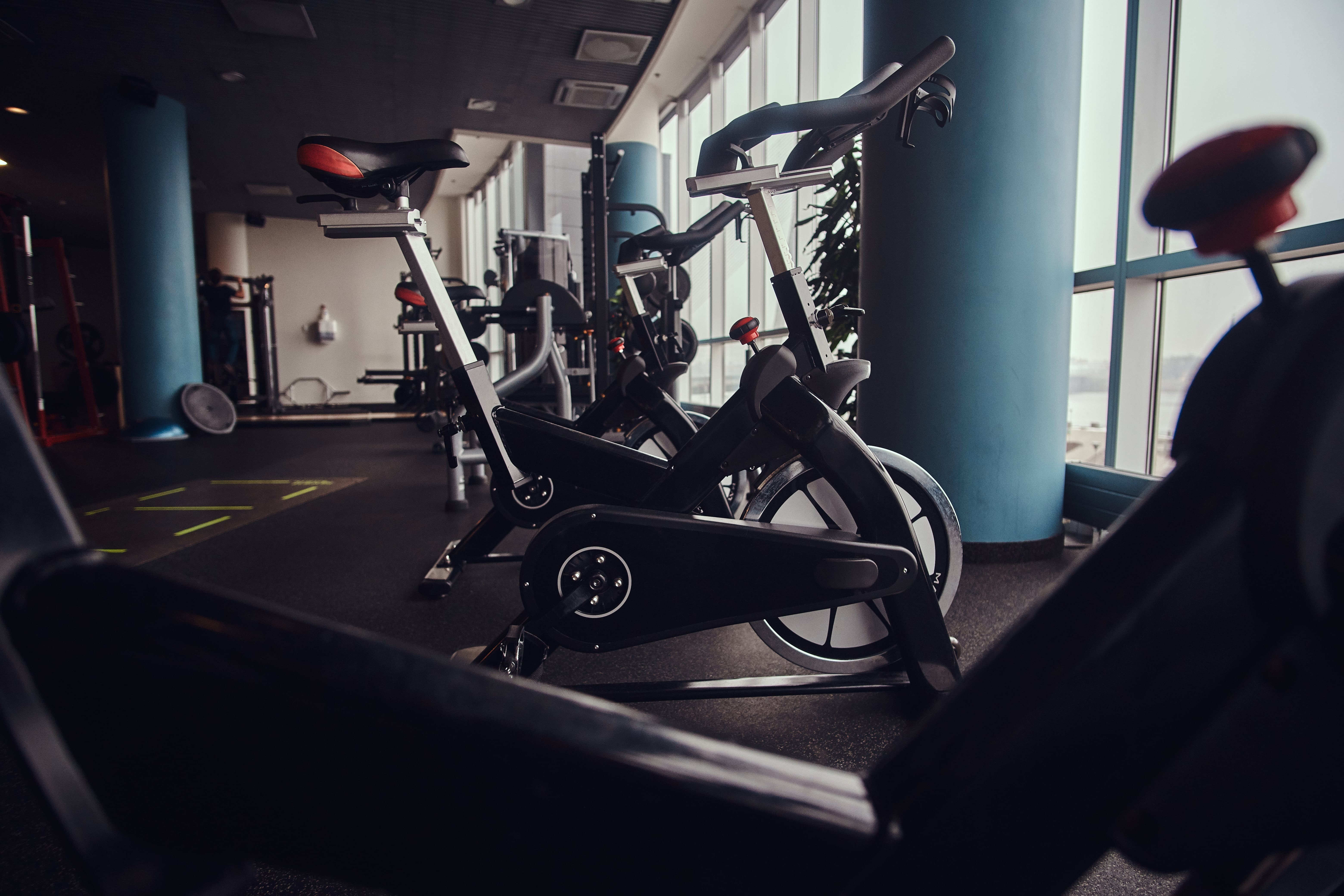
Often utilized in store physical fitness classes, spin bikes feature heavy weighted flywheels and enable the rider to stand out of the saddle for climbing simulations. They offer a more aggressive, athletic workout.
- Best for: Serious cyclists, spinning lovers, and those searching for intense, sweat-inducing workouts.
- Key feature: Dual-sided pedals (toe cages and SPD clips) and precise resistance knobs.
Key Features to Compare
To assist navigate the huge selection of exercise bikes for sale, purchasers need to assess models based on the following criteria:
- Resistance Mechanisms: Magnetic resistance is smooth, silent, and practically maintenance-free, making it the gold requirement for modern bikes. Friction resistance (felt pads) is more affordable and offers extreme resistance, however it needs routine pad replacements and can be loud.
- Console and Connectivity: Modern bikes range from basic LCD screens tracking time, speed, and calories to HD touchscreens with integrated streaming apps and live-class subscriptions (e.g., Peloton, iFit).
- Adjustability: A correct fit avoids injuries. Try to find seats that change vertically and horizontally, in addition to adjustable handlebars.
- Weight Capacity: Ensure the bike’s structural stability matches the user’s weight to ensure safety during energetic trips.
Comparison of Exercise Bicycle Types
To better comprehend which category fits private requirements, evaluate the comparison table below:
| Feature | Upright Bike | Recumbent Bike | Indoor Cycling (Spin) Bike |
|---|---|---|---|
| Body Position | Upright, leaning a little forward | Reclined with back assistance | Forward-leaning, athletic position |
| Primary Muscle Focus | Quads, calves, core | Glutes, hamstrings, quads | Full lower body, core, upper body |
| Effect Level | Low | Really Low | Low (though standing adds strength) |
| Space Requirement | Compact | Moderate to Large | Compact |
| Ideal User | General physical fitness enthusiast | Beginners, injury-recovery, elders | Advanced physical fitness seekers, bicyclists |
| Average Price Range | ₤ 200– ₤ 800 | ₤ 300– ₤ 1,200 | ₤ 400– ₤ 2,000+ |
Tips for Finding the Best Deal
Finding an exercise bicycle for sale that provides both quality and value needs a little bit of strategic shopping. Think about the following pointers before purchasing:
- Assess the Seasonality: Fitness equipment sales frequently peak in January due to New Year’s resolutions. However, sellers regularly slash costs on older models throughout late summertime (August and September) to include brand-new stock.
- Check Out Independent Reviews: Do not rely solely on the producer’s site. Search for third-party video evaluations and customer testimonials regarding sturdiness, client service, and assembly problem.
- Factor in Hidden Costs: Check if the price includes delivery, professional assembly, and necessary subscription costs for digital classes. Some smart bikes require a month-to-month membership to unlock complete performance.
- Think about the Warranty: A solid warranty suggests manufacturer self-confidence. Search for a minimum of a frame service warranty of 5 to 10 years and 1 to 2 years for parts and electronics.
Buying New vs. Used
When browsing listings for an exercise bicycle for sale, purchasers need to also decide between buying new equipment or hunting for a secondhand bargain on marketplaces like Facebook, Craigslist, or specialized physical fitness liquidators.
Purchasing New:
- Pros: Full producer warranty, beautiful condition, access to the most recent technology, and client assistance.
- Cons: Higher cost point.
Buying Used:
- Pros: Significant cost savings; high-end commercial-grade bikes can sometimes be found at a portion of their original rate.
- Cons: No warranty, possible wear-and-tear hidden below the surface, and the purchaser is accountable for disassembly and transport.
Idea: If buying used, always request to evaluate the bike before handing over money. Look for smooth pedal rotation, quiet resistance changes, and intact electronic displays.
Starting a fitness journey from the comfort of home is a rewarding decision, and buying an exercise bike for house bicycle is a great primary step. By understanding the distinctions between upright, recumbent, and spin bikes– and thoroughly weighing aspects like resistance type, area, and budget plan– purchasers can discover a maker that keeps them inspired year-round.
Whether purchasing a smooth, app-connected clever Bike home exercise or a durable, economical recumbent design, the best stationary bikes for exercise exercise bicycle is eventually the one that gets used routinely. Take the time to research choices, compare specifications, and pedal towards a much healthier future.
