

Exercise Bikes For Sale
Add a review FollowOverview
-
Founded Date November 24, 1908
-
Sectors Sales
-
Posted Jobs 0
-
Viewed 1

Company Description
7 Simple Secrets To Totally Moving Your Exercice Bike
The Ultimate Guide to Exercise Bikes: Pedaling Your Way to Better Health
In the pursuit of health and physical fitness, couple of pieces of home fitness center equipment are as ubiquitous, reliable, and reliable as the exercise bike home bike. Whether one is looking to shed persistent pounds, enhance cardiovascular endurance, or recuperate from an injury with low-impact movement, the humble stationary bicycle remains a gold requirement.
With many designs, technological improvements, and training styles offered today, picking and using an exercise bike can feel overwhelming. This extensive guide explores whatever one needs to know about exercise bikes, assisting fitness enthusiasts and newbies alike make a notified choice.
Why Choose an Exercise Bike?
The appeal of the exercise bikes for sale bike is well-earned. Unlike running on asphalt or pounding away on a treadmill, cycling uses a non-weight-bearing cardiovascular exercise that is incredibly kind to the joints.
Key Benefits of Stationary Cycling:
- Low-Impact Movement: Minimizes stress on the knees, ankles, and hips, making it ideal for any ages and fitness levels.
- Cardiovascular Health: Strengthens the heart, lowers high blood pressure, and improves blood circulation.
- Effective Calorie Burn: An energetic session can torch calories, aiding in weight management and fat loss.
- Muscle Toning: Primarily targets the lower body– quadriceps, hamstrings, glutes, and calves– while engaging the core for stabilization.
- Convenience and Safety: Allows users to exercise in the comfort of their homes, entirely protected from traffic, bad weather condition, and dark nights.
Types of Exercise Bikes
Before acquiring an exercise bike, it is vital to comprehend the different classifications available on the marketplace. Each type deals with a various riding design, convenience preference, and fitness goal.
1. Upright Bikes
Upright bikes closely mimic the feel of a traditional outside road bicycle home exercise. The user sits upright, placing their feet straight below their body. This style engages the core muscles more intensely because the rider need to support their upper body posture.
2. Recumbent Bikes
Recumbent bikes include an easygoing, bucket-style seat with a back-rest, and the pedals are placed out in front of the user rather than underneath them. This design offers superior back support, making it the preferred choice for older grownups, people with lower pain in the back, or those undergoing physical treatment.
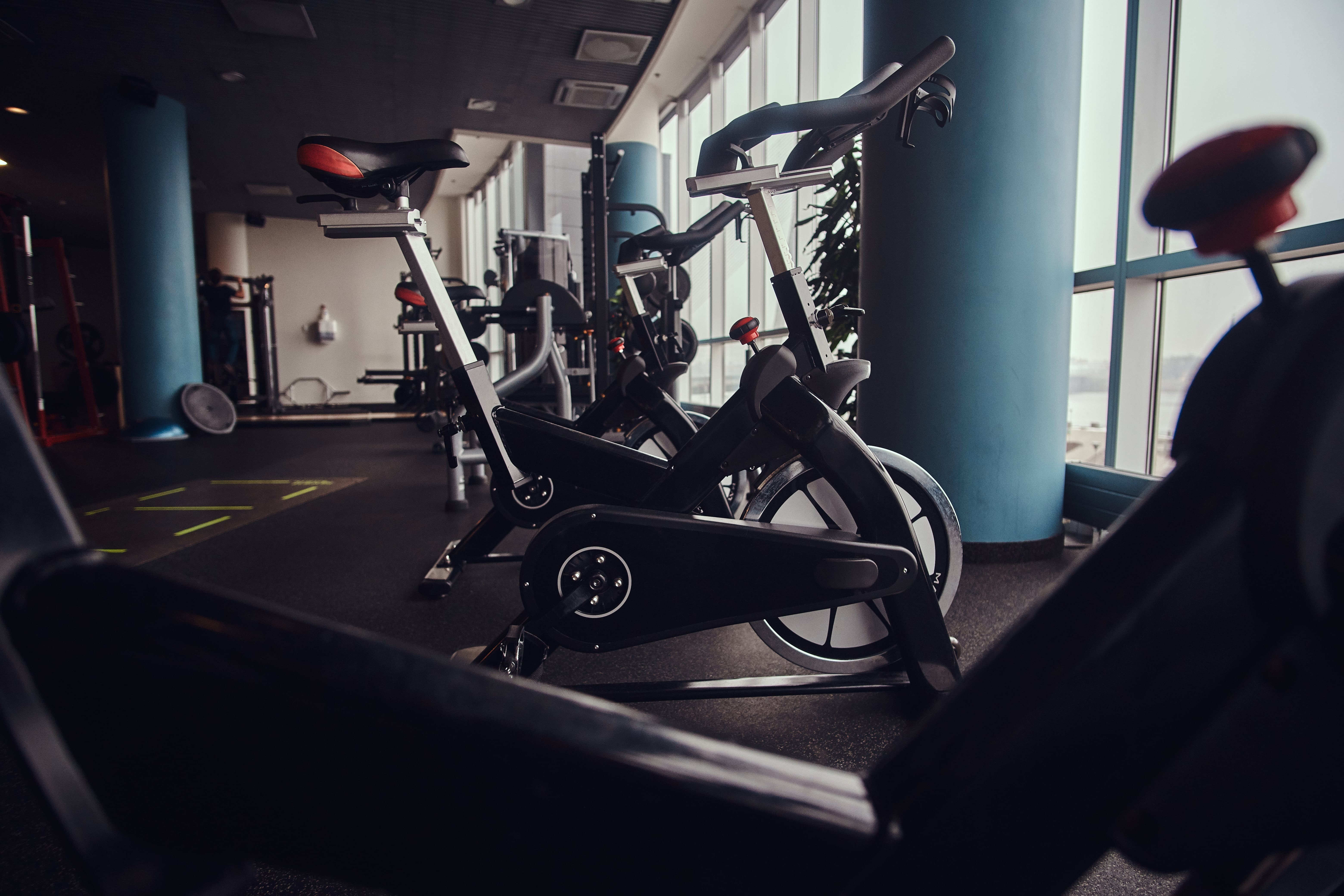
3. Indoor Cycling Bikes (Spin Bikes)
Often used in high-intensity group fitness classes, spin bikes are built for aggressive, high-speed riding. They include heavy flywheels that mimic the momentum of a genuine bicycle Home exercise, and they permit the user to quickly shift between seated and standing positions (climbing).
| Feature | Upright Bike | Recumbent Bike | Indoor Cycling (Spin) Bike |
|---|---|---|---|
| Body Position | Upright, minor forward lean | Reclined with back support | Forward-leaning, mimics roadway bike |
| Joint Friendliness | Moderate | High (Very gentle on joints) | Moderate |
| Core Engagement | High | Low | High |
| best home exercise equipment For | General fitness, flexibility | Rehabilitation, comfort, back issues | High-intensity training, cyclists |
| Footprint | Compact | Larger | Compact to moderate |
Secret Features to Consider
When shopping for a stationary bicycle, purchasers must examine a number of technical and ergonomic elements to ensure the device suits their specific requirements.
- Resistance Mechanism:
- Friction Resistance: Uses felt pads that push against the flywheel. It is affordable however might require routine pad replacement.
- Magnetic Resistance: Uses magnets to develop smooth, quiet resistance with practically no wear and tear. This is the favored option for modern home health clubs.
- Flywheel Weight: For spin bikes, a heavier flywheel (usually 30 to 40+ pounds) provides a smoother, more authentic road-like momentum.
- Console and Connectivity: Modern bikes range from basic LCD screens showing standard metrics (time, speed, distance, calories) to sophisticated HD touchscreens that stream live and on-demand classes by means of memberships.
- Adjustability: Ensure the seat moves both vertically and horizontally, and check that the handlebars provide multi-position grips to accommodate different physique.
Optimizing Your Workout: Tips for Success
Merely getting on a stationary bike and pedaling casually will yield modest outcomes. To truly change physical fitness levels, riders should execute structured training techniques.
Vital Workout Strategies:
- Incorporate Interval Training (HIIT): Alternate in between high-intensity sprints (pressing as tough as possible for 30– 60 seconds) and active recovery phases (pedaling at an easy rate for 1– 2 minutes). HIIT enhances metabolism and optimizes calorie burn in a shorter timeframe.
- Focus on Proper Form:
- Adjust the seat height so there is a minor bend in the knee at the bottom of the pedal stroke.
- Keep shoulders unwinded and prevent locking the elbows.
- Engage the core to protect the lower back.
- Mix Up Resistance and Cadence: Do not just pedal quick; periodically call up the resistance to replicate climbing a high hill, which constructs muscular strength.
- Stay Consistent: Aim for 3 to 5 sessions each week, lasting anywhere from 20 to 45 minutes, depending upon strength.
Sample 30-Minute Beginner Workout Routine
For those uncertain of how to structure a session, the following regular supplies a well balanced, efficient exercise on an upright or spin static bike exercise:
- Warm-Up (5 minutes):
- Pedal at a light, conversational pace with low resistance. Focus on smooth pedal strokes.
- Construct Phase (5 minutes):
- Gradually boost resistance every minute until reaching a moderate, tough pace.
- Period Block (15 minutes):
- Minute 11, 13, 15, 17, 19: Push difficult (RPE 8 out of 10) for 45 seconds.
- Minute 12, 14, 16, 18, 20: Recover at a simple pace (RPE 4 out of 10) for 75 seconds.
- Climb Up Simulation (3 minutes):
- Increase resistance to a heavy load and pedal at a slower, controlled cadence to build leg strength.
- Cool-Down (2 minutes):
- Reduce resistance to no and spin the legs slowly to decrease the heart rate.
Upkeep and Care
To ensure an exercise bike lasts for several years to come, regular upkeep is vital.
- Wipe Down Sweat: Salt from sweat is destructive. Clean the frame, handlebars, and seat after every intense workout.
- Inspect Hardware: Periodically tighten pedals, handlebars, and seat adjustment knobs, as vibrations can loosen them over time.
- Examine the Drive System: If utilizing a chain-driven bike, lube the chain sometimes. Belt-driven magnetic bikes normally need little to no upkeep.
The stationary bicycle stays a foundation of home fitness for excellent reason. By accommodating various fitness levels, protecting vulnerable joints, and using unrivaled benefit, it empowers individuals to take control of their health on their own terms. Whether selecting a helpful recumbent model for gentle healing or a high-powered spin bike for sweat-drenching intervals, buying an exercise bike is a financial investment in a stronger, much healthier future. Get on, adjust the resistance, and begin pedaling towards your goals today!
