

Pedal Exerciser
Add a review FollowOverview
-
Founded Date June 25, 1994
-
Sectors Sales
-
Posted Jobs 0
-
Viewed 1

Company Description
Fitness Bike Tips That Can Change Your Life
The Ultimate Guide to Fitness Bikes: Transforming Your Cardio Routine at Home
Over the last few years, the landscape of home fitness has gone through an enormous advancement. Among the myriad of equipment available, the fitness bike remains an enduring staple. Whether it’s called an exercise bike for sale bike, an indoor cycle, or a stationary bicycle exercise bicycle, this piece of devices is one of the most trusted tools for cardiovascular health, weight management, and lower-body strength.
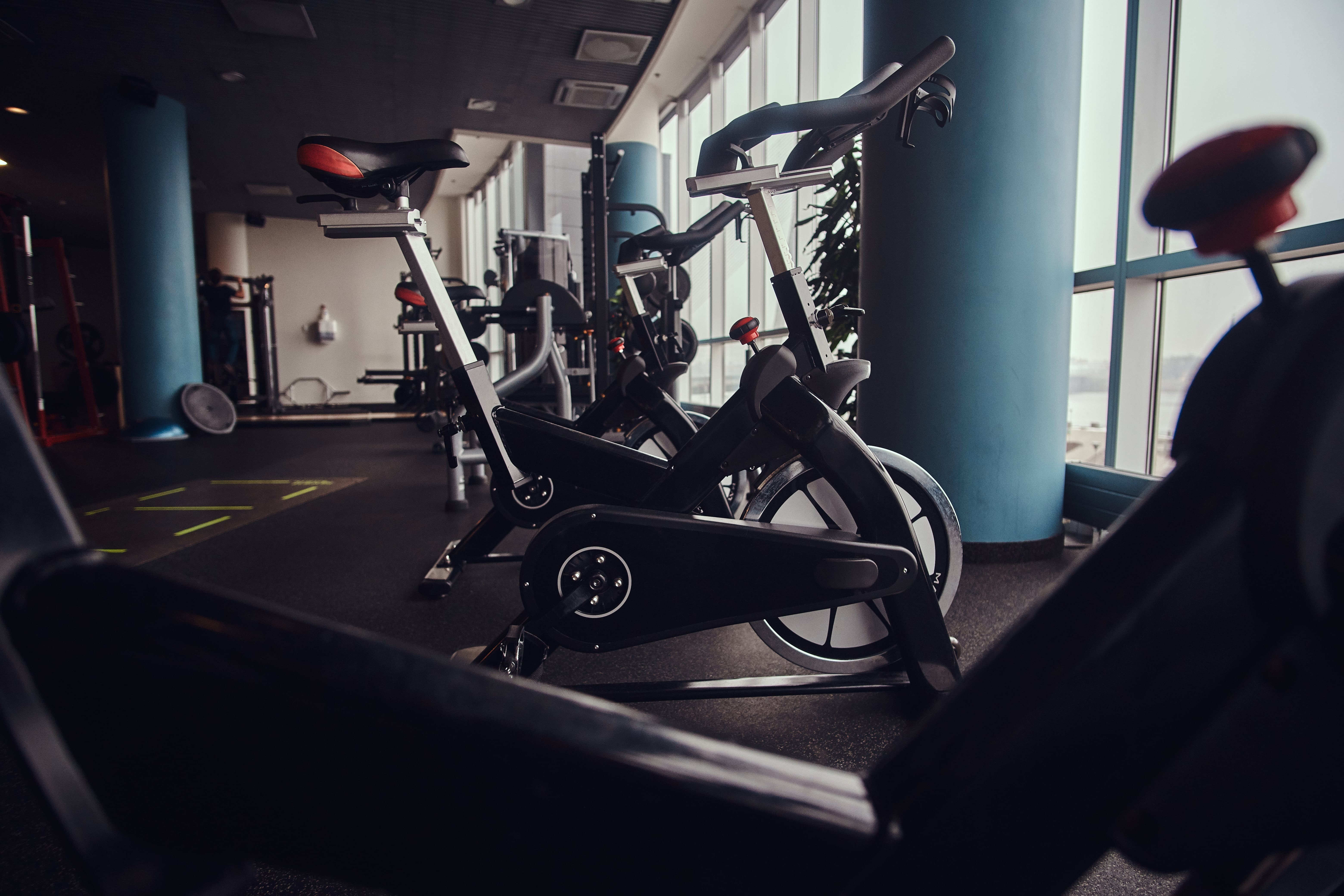
For anyone seeking to purchase their health without browsing the unpredictable aspects of outside cycling, a fitness bike uses a regulated, effective, and highly adjustable mini exercise bike. This guide explores the different kinds of physical fitness bikes, their health advantages, essential functions to look for, and how to select the right one for individual goals.
Comprehending the Types of Fitness Bikes
Not all physical fitness bikes are developed equal. Different styles cater to numerous physical fitness levels, physical needs, and training styles. Understanding these differences is the initial step in finding the ideal maker.
1. Upright Bikes
Upright bikes carefully simulate the posture of riding a traditional outdoor bicycle. The user sits upright with their upper body slightly leaned forward, engaging the core and upper body more than other indoor bike variants.
- Best for: General physical fitness, endurance structure, and leisure riders.
- Pros: Compact footprint, flexible workouts, engages core muscles.
- Cons: Can cause lower back or neck stress throughout extended sessions for newbies.
2. Indoor Cycles (Spin Bikes)
Indoor cycles are constructed for high-intensity exercises. They feature heavy, weighted flywheels that create momentum, imitating the feel of riding uphill or cruising on a roadway bike. The handlebars and seats are completely adjustable to accommodate standing climbs up and aggressive sprints.
- Best for: High-intensity interval training (HIIT), spin class enthusiasts, and advanced bicyclists.
- Pros: Highly durable, enables out-of-the-saddle riding, highly customizable resistance.
- Cons: Seats can be uneasy at first; needs proper kind to avoid injury.
3. Recumbent Bikes
Recumbent bikes feature an easygoing, bucket-seat design with pedals positioned out in front of the user instead of below. This ergonomic layout disperses body weight uniformly and offers robust lower-back support.
- Best for: Seniors, people with pain in the back, joint problems, or those undergoing physical rehab.
- Pros: Extremely comfortable, joint-friendly, excellent back assistance.
- Cons: Takes up more floor area; not perfect for high-intensity sprinting or out-of-the-saddle training.
Comparing Bike Types at a Glance
| Function | Upright Bike | Indoor Cycle (Spin) | Recumbent Bike |
|---|---|---|---|
| Body Position | Upright, slight forward lean | Aggressive forward lean | Reclined, supported back |
| Main Focus | General cardio, toning | High-intensity training, endurance | Low-impact, accessible rehabilitation |
| Footprint | Small | Small to Medium | Big |
| Joint Friendliness | Moderate | Moderate | High |
| Core Engagement | High | High | Low |
The Compelling Benefits of Riding a Fitness Bike
Investing time in a physical fitness bike yields various physical and mental health rewards. Here are the main reasons that stationary cycling remains a preferred amongst fitness enthusiasts:
- Low-Impact Cardiovascular Conditioning: Unlike running or leaping, biking is gentle on the knees, hips, and ankles. It raises the heart rate effectively without subjecting joints to high-impact shock.
- Lower Body Muscle Toning: Cycling targets numerous muscle groups concurrently, including the quadriceps, hamstrings, calves, glutes, and even the core stabilizers.
- Calorie Burning and Weight Loss: Depending on intensity and body weight, a vigorous biking session can burn between 400 to 600 calories per hour, making it an efficient tool for calorie deficit and weight management.
- Convenience and Weather Independence: Rain, snow, heat, and traffic are no longer barriers to getting an leg exercise machine in. A fitness bike supplies a dependable, controlled environment.
Secret Features to Consider Before Buying
Getting a physical fitness bike requires careful factor to consider of individual needs and technical requirements. Keeping the following consider mind will make sure a smart financial investment:
1. Resistance Mechanism
The method a bike generates resistance impacts the smoothness and noise level of the ride:
- Friction Resistance: Uses felt pads that press versus the flywheel. It uses limitless resistance levels but needs periodic pad replacement and can be slightly loud.
- Magnetic Resistance: Uses magnets and a metal flywheel. It is whisper-quiet, essentially maintenance-free, and offers smooth, constant resistance adjustments.
2. Flywheel Weight (for Indoor Cycles)
For spin bikes, a much heavier flywheel (typically 30 to 40+ pounds) uses a smoother, more realistic momentum-driven ride, whereas lighter flywheels rely more heavily on the resistance knob to create tension.
3. Console and Connectivity
Modern physical fitness bikes vary from easy LCD screens showing basic metrics (time, speed, distance, calories) to advanced HD touchscreens with built-in streaming abilities for live and on-demand classes. Consider whether interactive subscriptions are wanted or if a basic, affordable console is enough.
4. Adjustability and Comfort
Guarantee the bike offers adjustable seat height and fore/aft positions. Handlebar adjustability is likewise vital for preventing strain and achieving an ergonomic riding posture.
Tips to Maximize Your Fitness Bike Workout
Having the equipment is only half the battle; understanding how to use it successfully yields the finest outcomes.
- Establish Correctly: Adjust the seat height so there is a small bend in the knee at the bottom of the pedal exerciser stroke. Improper seat height can result in knee discomfort and inefficient pedaling.
- Incorporate Interval Training: Alternate in between high-intensity sprints (pushing heavy resistance or high RPMs) and active healing durations to enhance cardiovascular endurance and calorie burn.
- Preserve Good Posture: Keep shoulders relaxed, core engaged, and prevent death-gripping the handlebars. A strong core safeguards the lower back.
- Stay Consistent: Aim for 3 to 4 sessions weekly, slowly increasing duration and resistance as physical fitness levels improve.
A physical fitness bike is much more than a piece of metal and rubber; it is a gateway to much better health, elevated energy levels, and a stronger heart. By assessing private objectives, area constraints, and preferred exercise bike workout designs– whether that is a difficult hill get on an indoor cycle or a comfortable, supported spin on a recumbent bike– anybody can find the perfect match. Step into the saddle, accept the journey, and pedal toward a much healthier future.
